Microsoft’s AI chief admits Google has the edge in some areas
In a rare moment of honesty in the AI race, Microsoft’s head of AI, Mustafa Suleyman, has openly acknowledged that Google’s latest model, Gemini 3, can outperform Microsoft Copilot in certain tasks. Such admissions are uncommon in an industry usually dominated by bold marketing claims.
IMG source: Microsoft.com
Suleyman was quick to point out that the comparison isn’t one-sided. While Gemini 3 pushes boundaries in raw capability and multimodal intelligence, Copilot is designed with a different goal in mind: helping people in everyday situations, not just showing off technical power.
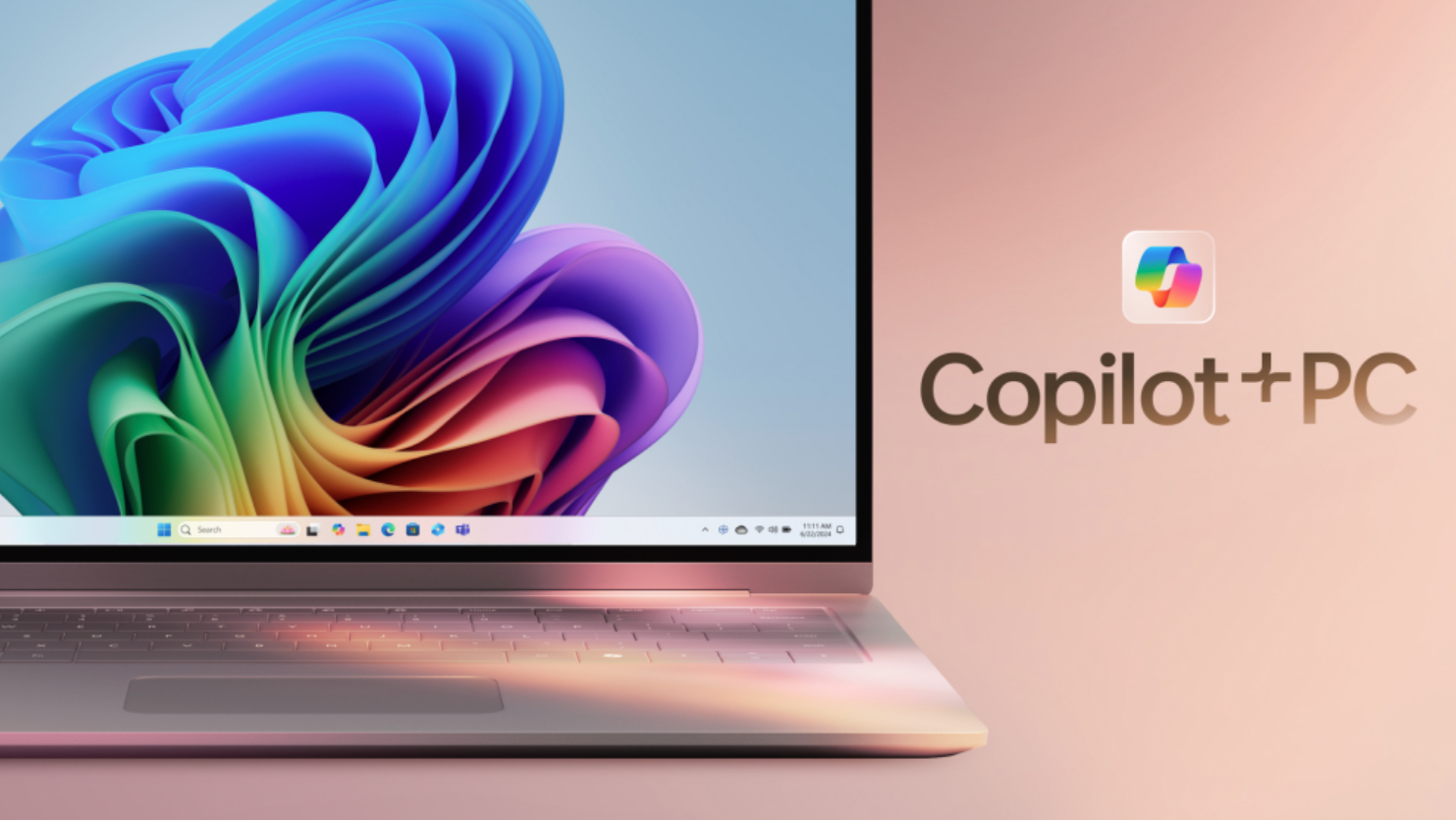
Microsoft’s strategy centers on usefulness and context. Copilot can see what’s on your screen, whether on a phone or a PC, and respond in real time. That ability allows it to act more like a practical assistant, offering guidance while you work rather than operating as a detached AI engine.
This vision is already shaping Microsoft’s products. Copilot is being woven into Windows 11, Office apps like Excel and Outlook, and even the Edge browser, where it assists users directly as they browse or work. Suleyman also stressed Microsoft’s cautious approach to AI development. The company wants systems that remain transparent and under human control. Any technology that behaves unpredictably or beyond clear boundaries, he said, simply won’t be pursued.
Gemini 3, by contrast, is aimed at being as powerful and versatile as possible, excelling at complex reasoning and creative output. The result is not a single winner, but two AI platforms built for different purposes. For users, that clarity may be a good thing. Instead of one AI trying to do everything, the future may belong to tools that excel in different roles, and let people choose what fits them best.